The Fascinating History of Sudoku: From Leonhard Euler to Maki Kaji
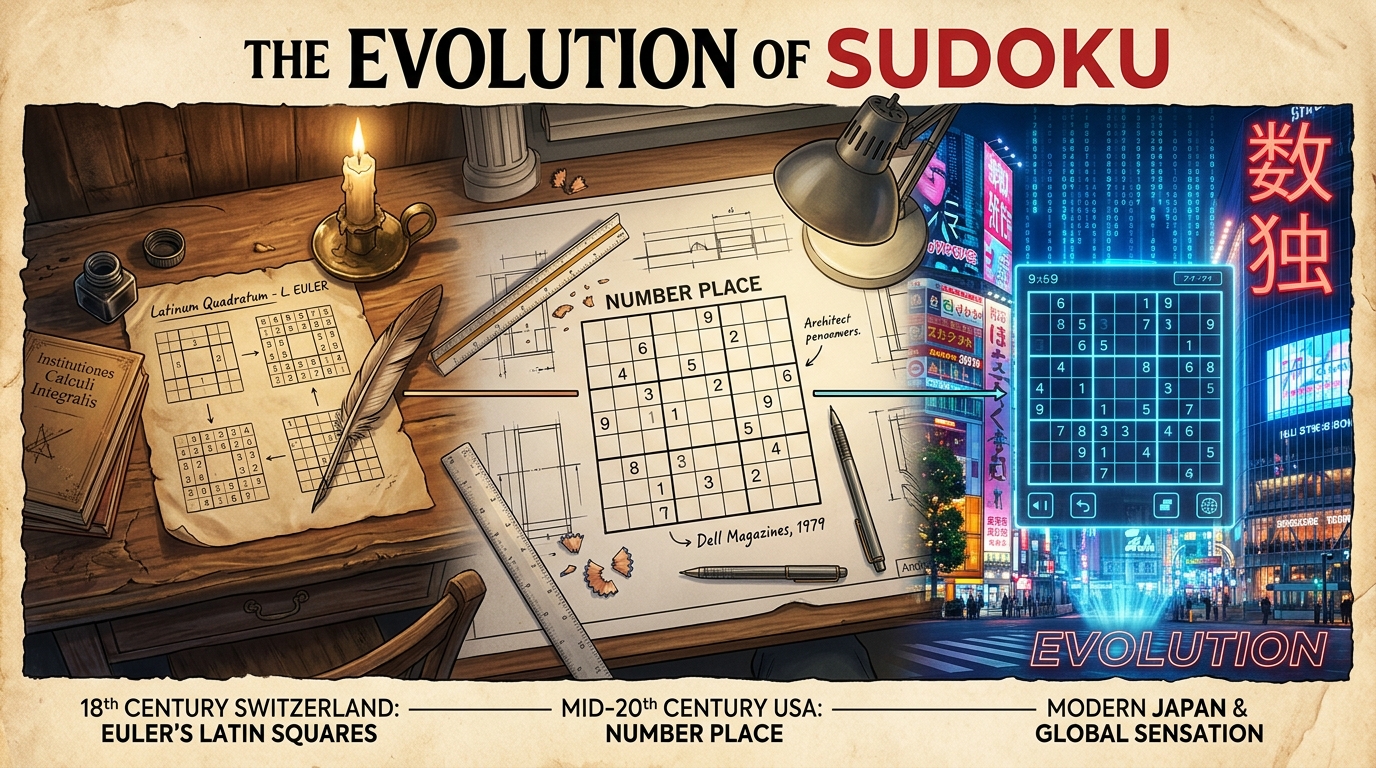
Trace the 250-year worldwide journey of the logic puzzle: from 18th-century Swiss Latin Squares to Howard Garns' 1979 Dell puzzle and Maki Kaji's Japanese naming revolution.
Authoritative investigations, neuroscience studies, historical archives, and masterclass strategy breakdowns curated by professional puzzle mathematicians and cognitive researchers.
Can solving 9×9 number grids physically raise your general intelligence quotient? We review clinical fMRI neuroimaging and working memory trials to separate hype from empirical brain science.

Trace the 250-year worldwide journey of the logic puzzle: from 18th-century Swiss Latin Squares to Howard Garns' 1979 Dell puzzle and Maki Kaji's Japanese naming revolution.

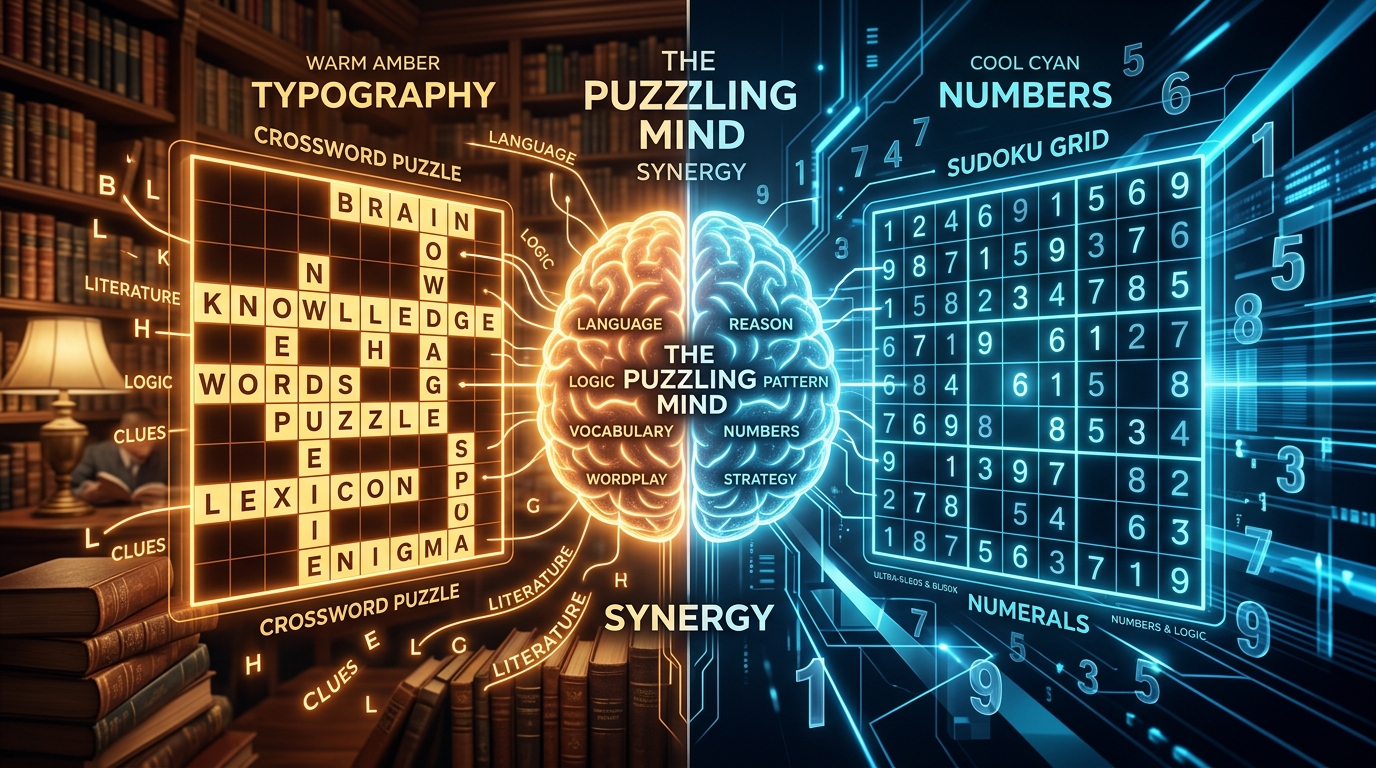
Working memory vs. verbal semantic recall: A direct head-to-head scientific comparison of how numbers and words stimulate distinct neural pathways.
The Exeter University PROTECT study and Cognitive Reserve hypothesis explain why regular logic puzzle solvers maintain brain function equivalent to ten years younger.
Struggling to leap from Medium to Hard? Discover the 5 hidden bad habits holding your solving times back—and the Snyder Notation drills that fix them immediately.
Every article published on the iLoveSudoku journal undergoes rigorous cross-examination by veteran puzzle constructors and cognitive science researchers. We cite accredited clinical trials, mathematical theorems, and historical publications to guarantee maximum factual accuracy and educational integrity.
Put today's science and logic strategies into practice on our distraction-free, zero-lag Sudoku grids.